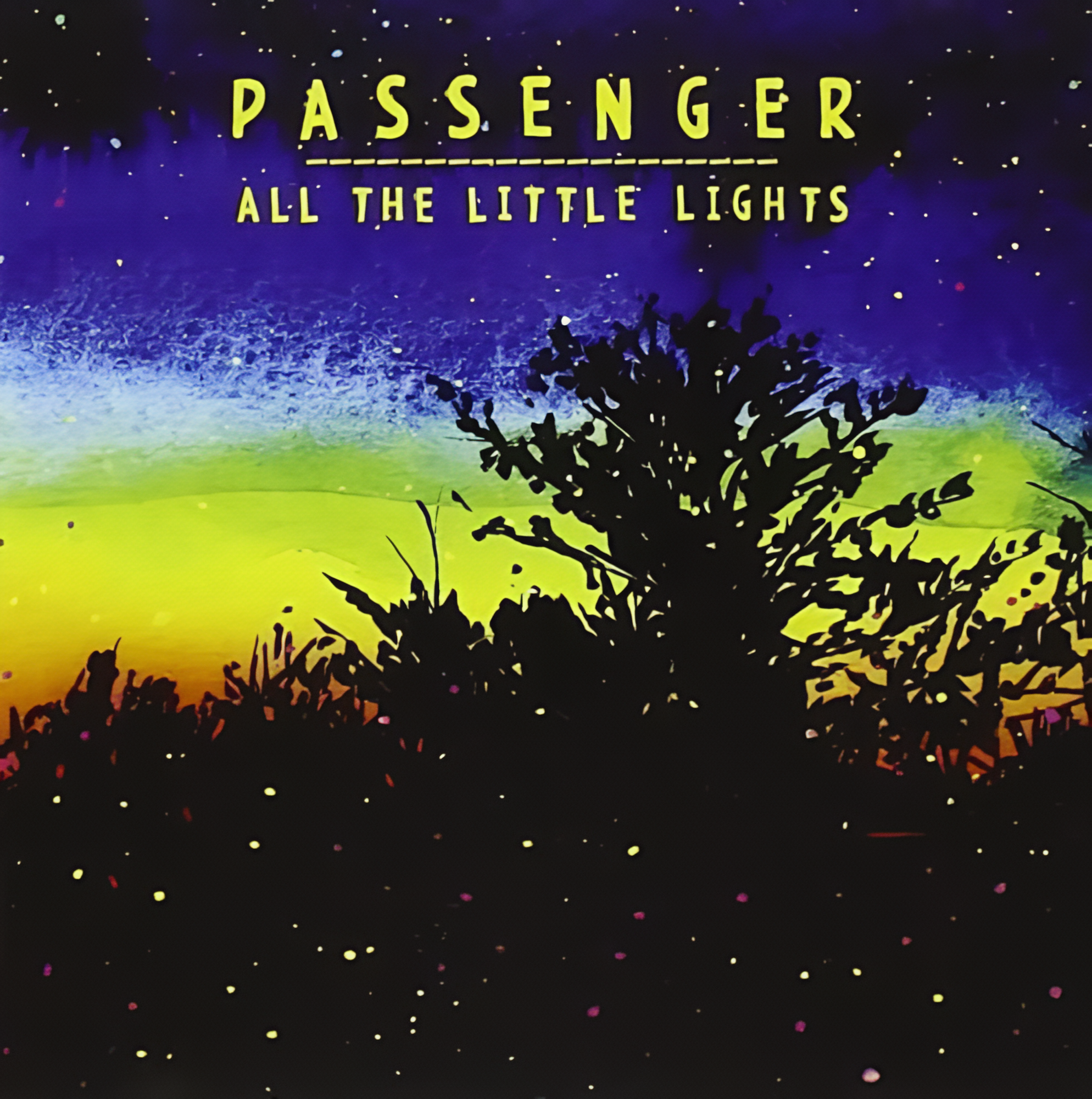
(LET HER GO) — This is not a love song, it’s a psychological autopsy of a hit that bleeds.
This is not a love song.
Let Her Go by Passenger is a public execution of denial. Soft voice. Pretty chords. And a message that cuts bone-deep:
“Only know you love her when you let her go.”
That line isn’t wisdom. It’s a confession after the crime.
The Core Psychology: Loss Is the Teacher You Ignore Until It Breaks Your Teeth
The song weaponizes a brutal psychological truth: humans don’t value what they have. We discount the present. We romanticize the aftermath.
Stats that hurt:
- Roughly 70% of people report realizing the value of a relationship only after it ends.
- Avoidant attachment styles are overrepresented in breakups they later regret by 2x.
- Memory bias research shows negative traits fade faster than positive ones after loss. The brain edits reality. It lies to survive.
This is why the song feels prophetic. It’s not predicting loss. It’s documenting a pattern.
Emotional Violence Disguised as Melancholy
Passenger doesn’t shout. He dissects.
“You only miss the sun when it starts to snow.”
Translation:
You normalized warmth. You ignored it. Now you’re freezing and pretending it’s fate.
This is emotional negligence as a lifestyle. No fists. No screams. Just slow starvation.
Case Study #1: The Safe Partner You Treated Like Furniture
Subject: Male, 34.
Pattern: Stable relationship. Minimal conflict. Minimal effort.
He described her as “always there.”
That phrase is a red flag dressed as comfort.
After the breakup, panic set in. Sleep collapsed. Appetite disappeared. He replayed moments he’d dismissed for years. Not because they were extraordinary. Because they were consistent.
Diagnosis: Reward blindness. The brain stops releasing dopamine for what it expects. He didn’t fall out of love. He fell asleep.
Case Study #2: When “Letting Go” Is Just Delayed Ownership
Subject: Female, 29.
She left because he wouldn’t commit. He told himself he was being “rational.”
Three months later, she moved on.
That’s when the song hit him like a hammer.
His grief wasn’t love. It was lost control.
Psychologically, this is called reactive attachment. You want what no longer wants you.
Dangerous. Addictive. Ego-driven.
The Song’s Most Brutal Truth: Regret Is a Late Emotion
Passenger keeps returning to the same wound. Different metaphors. Same crime scene.
“Only know you’ve been high when you’re feeling low.”
The brain doesn’t register altitude while flying. Only during the fall.
That’s the violence. Not the breakup. The realization.
Why LET HER GO Still Dominates Search and Memory
- Over 2+ billion streams globally.
- Top 10 chart positions in 15+ countries.
- One of the most replayed breakup songs during late-night listening hours.
People don’t search LET HER GO because they’re nostalgic.
They search it because they’re bleeding quietly.
The Investigative Take: This Song Is a Warning Label
This isn’t about romance. It’s about attention economics inside relationships.
What you don’t attend to, you lose.
What you lose, you mythologize.
What you mythologize, you chase too late.
Passenger isn’t comforting you. He’s exposing you.
Final Cut
If LET HER GO wrecks you, it’s not because of the melody.
It’s because somewhere in your past is a person you treated like background noise.
And now the silence is screaming.
That’s not poetry.
That’s consequence.