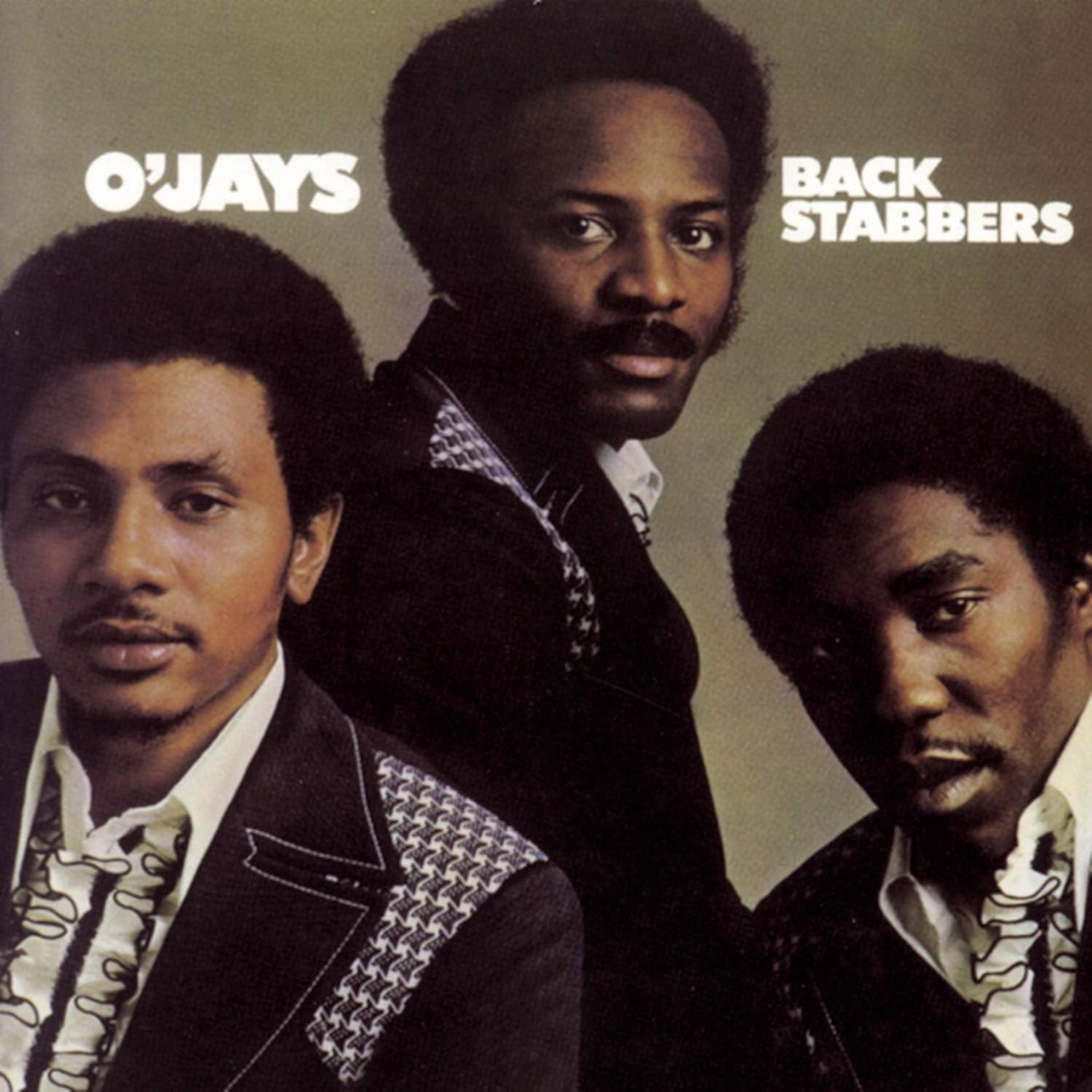
Back Stabbers reveals the truth about hidden enemies. Discover how music captures the essence of betrayal and trust.
THE SOUND OF BETRAYAL: WHY Back Stabbers STILL HURTS
There are songs that entertain, and then there are songs that accuse. BACK STABBERS doesn’t play in the background—it stands in front of you, points a finger, and dares you to deny what you already know.
This isn’t just music.
It’s a psychological ambush.
From the first line, the song exposes a truth most people learn too late:
- The most dangerous enemies don’t announce themselves.
- They smile.
- They shake your hand.
- They call you “friend.”
The reason BACK STABBERS still lands with such brutal force decades later is simple—betrayal psychology hasn’t evolved.
Human brains are still wired for trust as survival currency.
- We bond to stay alive.
- We collaborate to thrive.
- And when that trust is violated, the brain reacts as if it’s under attack.
Social neuroscience research shows betrayal activates the same brain regions as physical pain.
That means BACK STABBERS isn’t metaphorical—it’s neurological reality.
EMOTIONAL PRECISION: NO ROMANCE, NO MERCY
What makes this song savage is its emotional precision.
- It doesn’t romanticize pain.
- It doesn’t soften the blow.
It names the predator and describes the method.
BACK STABBERS don’t rush you from the front.
- They circle.
- They observe.
- They wait.
Then they strike where it hurts most—your sense of safety.
That’s why listeners feel exposed. The song doesn’t ask if you’ve been betrayed. It assumes you have.
- Office politics.
- Family feuds.
- Romantic deception.
- Social climbing.
The setting changes.
The psychology doesn’t.
Wherever trust becomes currency, BACK STABBERS appear. And this song is their psychological mugshot.
THE O’JAYS AND THE SOCIAL BATTLEFIELD OF THE 1970s
To understand BACK STABBERS, you have to understand the battlefield it was born into.
Early 1970s America wasn’t just divided—it was suspicious.
- Vietnam.
- Watergate.
- Civil rights betrayals.
Trust wasn’t broken quietly. It was shattered publicly.
For Black America especially, betrayal wasn’t theoretical—it was systemic.
The O’Jays didn’t write this song from paranoia. They wrote it from pattern recognition.
In marginalized communities, betrayal often wears familiar faces.
The system rewards informants, opportunists, and collaborators.
Sociologists note that in high-pressure environments, betrayal increases.
Scarcity breeds competition.
Competition breeds deception.
The song became an anthem not because it was catchy—but because it was accurate.
BACK STABBERS AS A PSYCHOLOGICAL CRIME SCENE
Listen to BACK STABBERS like a detective, not a fan.
Every lyric is evidence.
Every harmony is a warning signal.
This song operates like a crime-scene reconstruction—
• Motive: Access to power
• Method: Trust
• Aftermath: Invisible trauma
Psychologists classify betrayal as relational trauma.
Unlike random harm, it destroys internal models of safety.
An enemy prepares you for war.
A back stabber convinces you to lower your guard.
The song refuses to comfort you.
There is no redemption arc.
No forgiveness montage.
Only exposure.
That’s dangerous art—because once you see the pattern, you can’t unsee it.
TRUST AS A WEAPON
Trust is supposed to protect us.
BACK STABBERS turn it into a blade.
Psychologically, trust lowers threat monitoring. That’s efficient in healthy relationships.
It’s catastrophic around predators.
Research consistently shows betrayal by trusted individuals causes longer-lasting trauma than harm from strangers.
Why?
Because it destabilizes identity.
Victims don’t just ask:
- “Why did they do this?”
They ask:
- “Why didn’t I see it?”
That self-blame is the second wound.
BACK STABBERS captures this without academic language.
- Close proximity.
- Familiar language.
- Shared spaces.
That’s not coincidence. That’s strategy.
And the most brutal truth the song delivers?
Back stabbers often feel justified.
In their minds, manipulation is intelligence.
Deception is adaptation. And your trust?
That was your mistake.