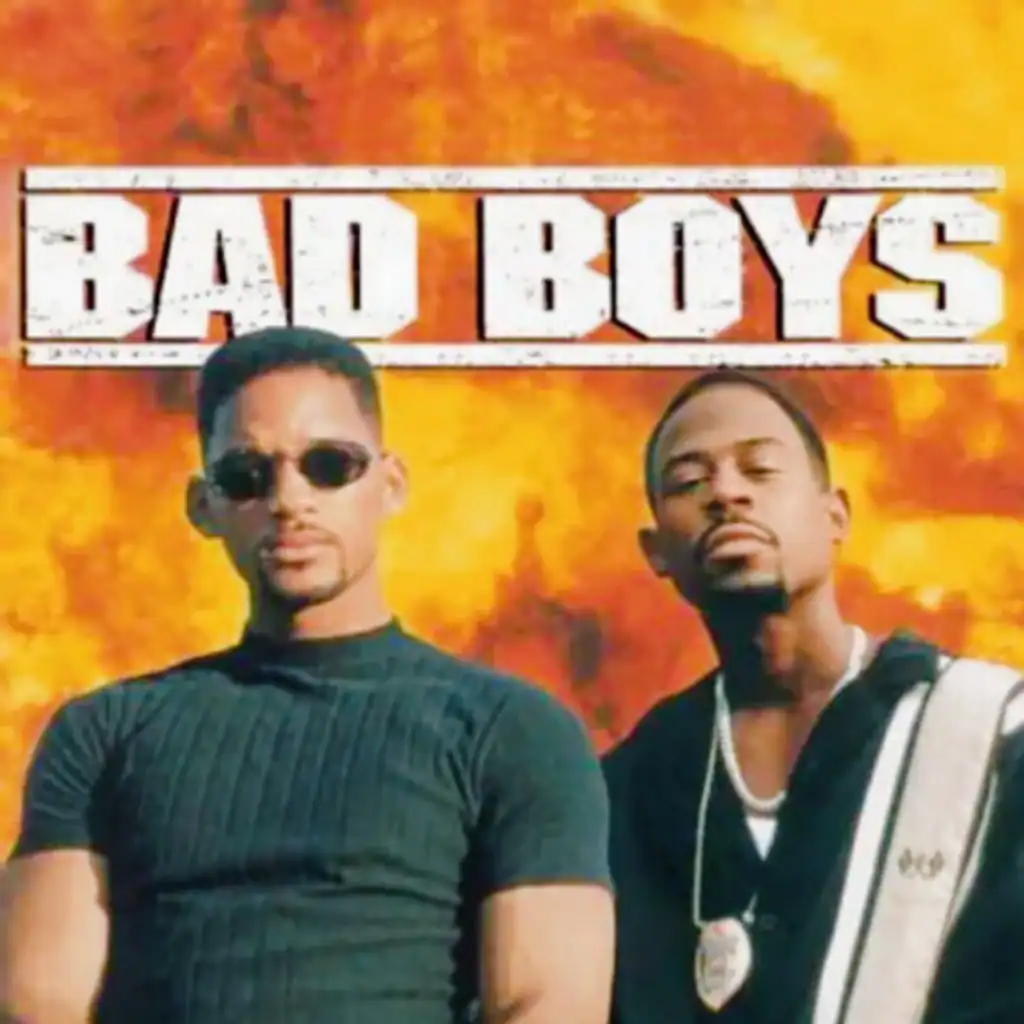
A psychological breakdown of Bad Boys—exploring loyalty, identity, adrenaline addiction, and male bonding under pressure.
PSYCHOLOGY OF BROTHERHOOD
Bad Boys thrives on the psychology of male partnership, a dynamic also explored under extreme pressure in SE7EN.
The film shows how high-risk environments create “accelerated bonding,” a phenomenon documented by trauma psychologist Dr. Judith Herman.
High stakes force trust to form quickly, and once formed, that trust becomes unbreakable—even when logic says otherwise.
THE ADRENALINE LOOP
Detectives Lowrey and Burnett operate inside what behavioral scientists call a “dopamine-adrenaline cycle,” where danger produces emotional clarity.
This cycle conditions the brain to need the next chase, the next gunfight, the next explosion—because stillness feels uncomfortable.
Studies show that chronic adrenaline exposure mimics addiction patterns in the brain, a response linked to long-term stress and reward activation.
IDENTITY: THE MASK AND THE MAN
Mike Lowrey embodies identity duality—projecting swagger, wealth, and untouchable confidence while battling emptiness beneath it.
Psychologists note this as “compensatory self-presentation,” where people oversell strength to hide the fractures.
Martin Lawrence’s character, Burnett, serves as the grounding force, a contrast that exposes how fragile ego becomes when faced with real danger.
HUMOR AS A DEFENSE MECHANISM
The nonstop jokes function as a survival tactic, not just entertainment.
According to Dr. Samuel Gladding, humor helps regulate cortisol and keeps teams mentally aligned during crisis. When tension spikes, comedy becomes the emotional release valve keeping the partnership from collapsing.
THE SHADOW OF RESPONSIBILITY
Burnett’s exhaustion and frustration reflect what workplace psychologists call “identity conflict fatigue.”
He is torn between being a husband, father, detective, and best friend, and each role demands a different version of him. The film shows how identity overload pushes people toward reactive decisions and emotional outbursts.
THE VILLAIN: A STUDY IN POWER
Villains in Bad Boys are built on the psychology of dominance through fear.
They operate from a scarcity mindset—believing control equals survival—which is why their violence escalates rapidly.
The contrast between their chaos and the protagonists’ grounded bond is what gives the film psychological weight.
FINAL ANALYSIS
The humor masks trauma, the danger strengthens bonds, and the chaos reveals the truths both men try to outrun. This is why the franchise continues: it taps into the emotional blueprint of modern masculinity.
Bad Boys isn’t just an action movie; it’s a portrait of adrenaline addiction, ego armor, psychological dependency, and high-pressure loyalty.